entoorganics
From Data to Decisions: E-Organics Advances On-Farm Climate Intelligence Through IoT Deployment and Farmer Engagement
Published: January 2026
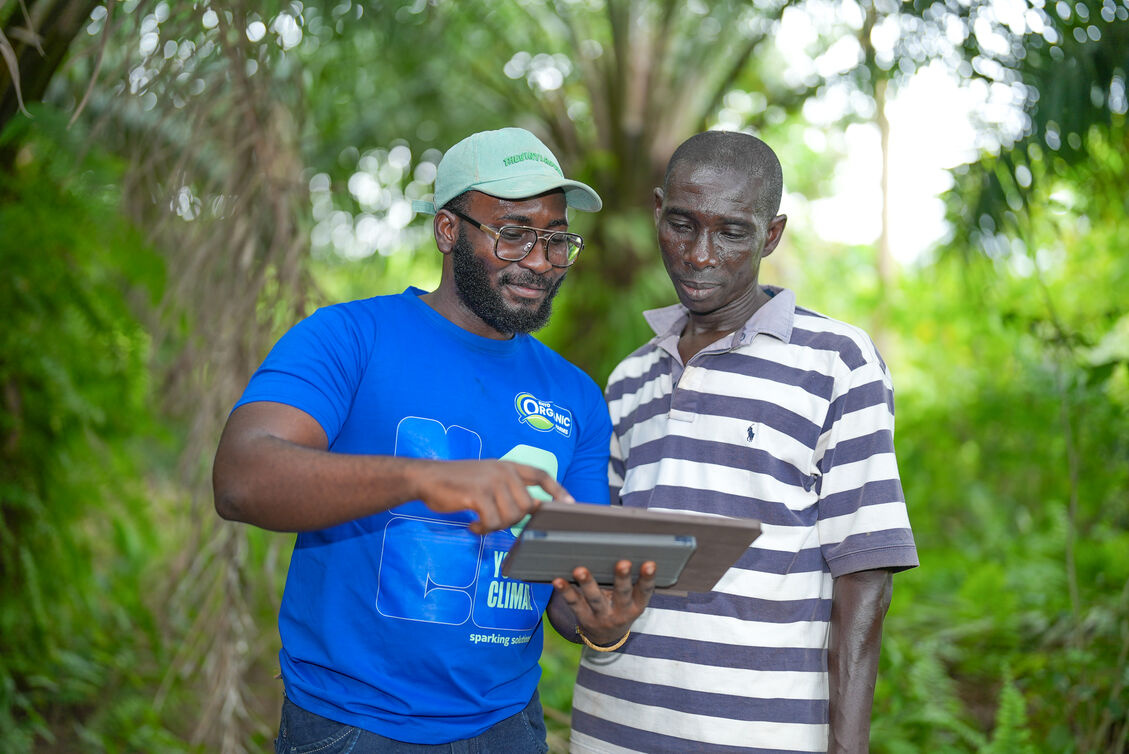
E-Organics has moved decisively from concept to execution, advancing the deployment of climate-smart agriculture solutions that place actionable data directly in the hands of smallholder farmers. Across partner communities in Ghana, the organization has begun implementing digital agriculture infrastructure designed to help farmers better anticipate climate risks and make informed farming decisions.
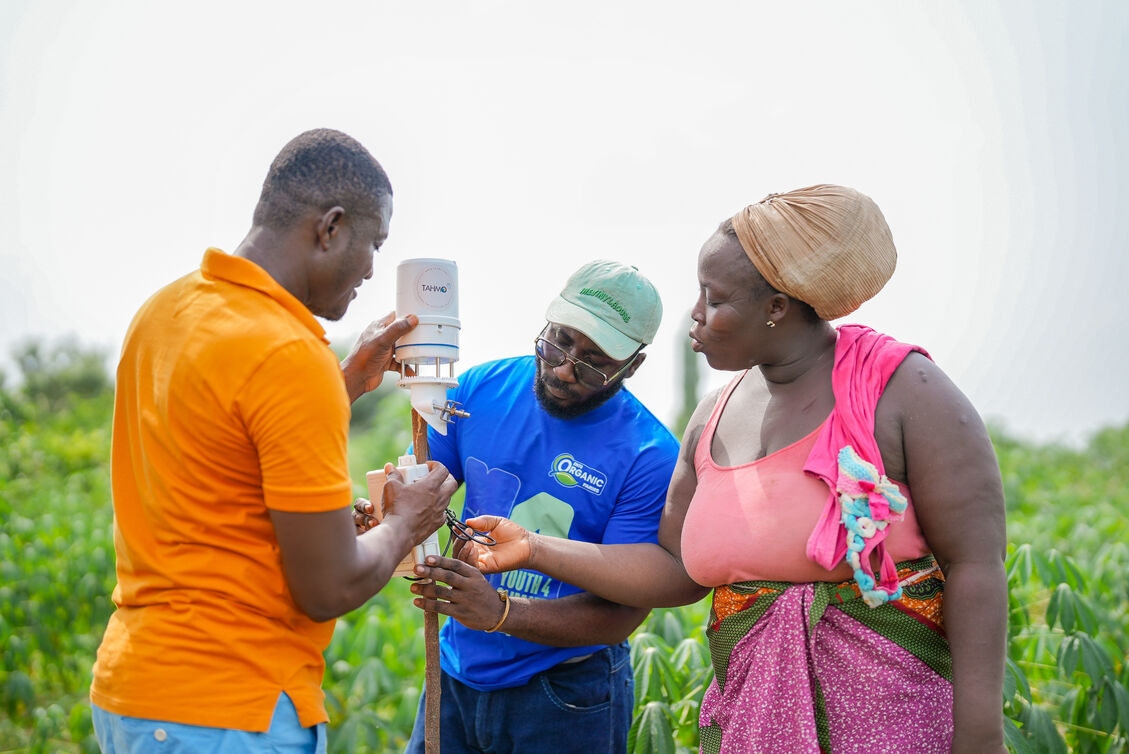
At the center of this phase is the deployment of IoT-enabled tools that support localized climate intelligence. These include field-level data collection systems that monitor weather patterns, rainfall variability, and environmental conditions affecting crop performance. The data gathered feeds into E-Organics’ digital platform, enabling timely, practical insights that farmers can use to plan planting cycles, manage water stress, and reduce climate-related losses.
Importantly, the rollout has been grounded in direct engagement with farming communities. E-Organics conducted baseline surveys and on-site interviews with farmers to understand existing challenges, decision-making habits, and information gaps. These interactions ensured that the technology responds to real needs rather than assumptions, and that farmers remain central to how data is interpreted and applied.
Training and field validation formed a key part of the process. Farmers were engaged not only as beneficiaries, but as active participants in shaping how tools are used, how information is communicated, and how recommendations align with local farming practices. This approach strengthens trust, improves adoption, and ensures that digital tools complement indigenous knowledge rather than replace it.
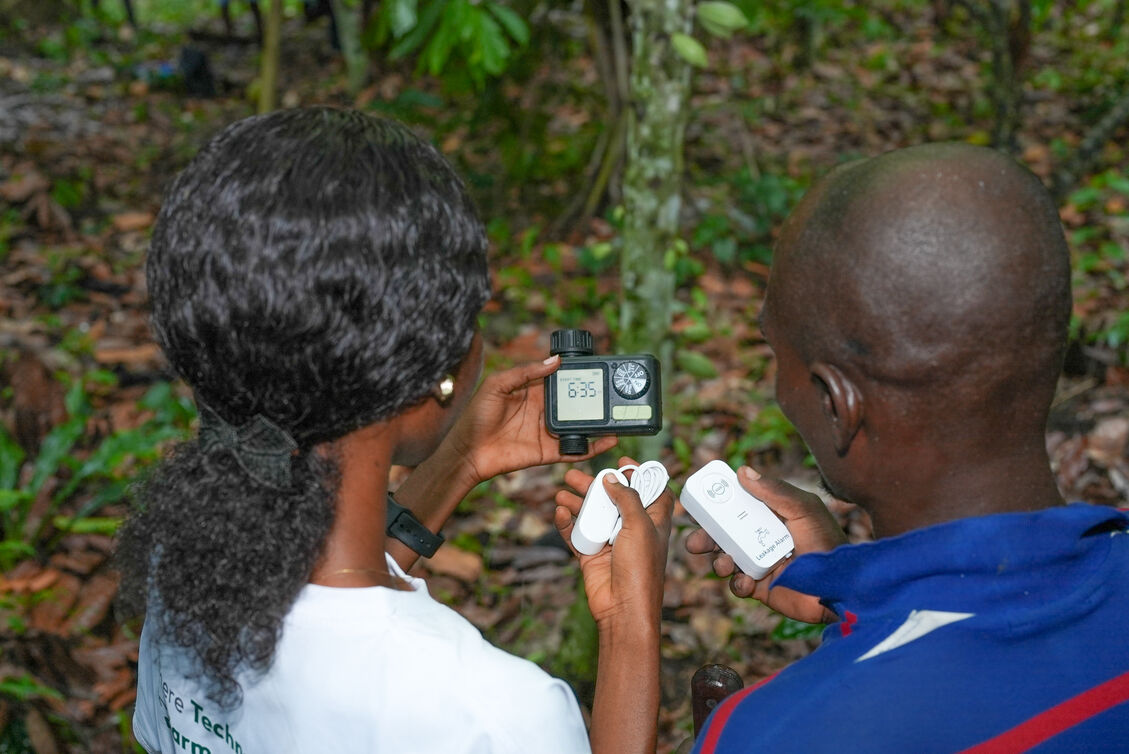
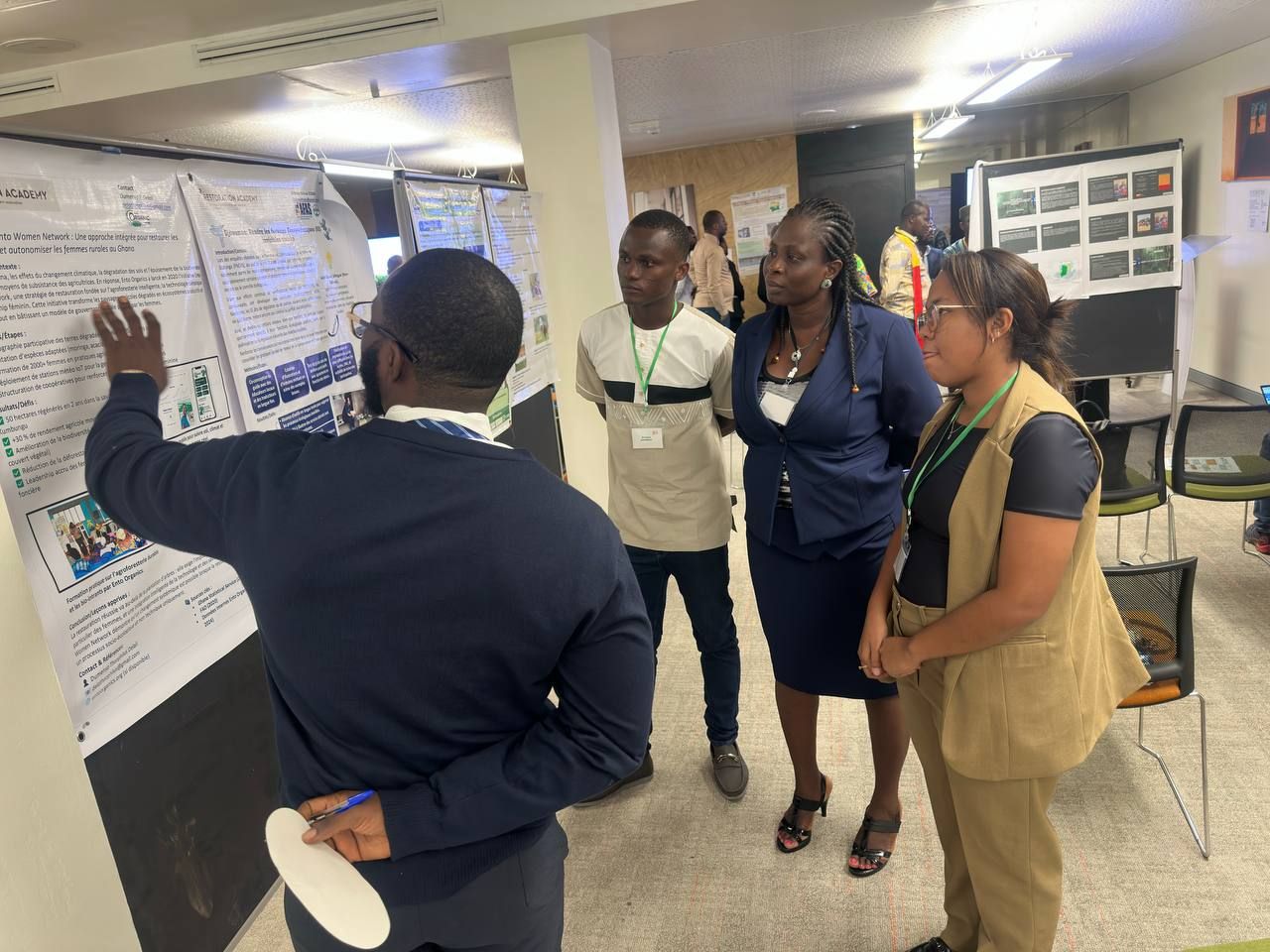
The deployment phase has also been supported through collaboration with technical and institutional partners, reinforcing best practices in climate data collection and interpretation. By aligning community-level data with broader climate service frameworks, E-Organics is building a foundation that supports both local decision-making and long-term scalability.
As implementation continues, the focus remains clear: transform raw data into meaningful decisions that improve resilience, productivity, and livelihoods. Through a combination of technology, training, and community partnership, E-Organics is demonstrating how agritech can move beyond pilots to become a reliable, farmer-centered system for climate-smart agriculture.